

Methodology &
Execution
Our proprietary trading strategy is built on a dual-analysis framework — combining rigorous technical chart analysis with macroeconomic fundamental research — applied exclusively to the EUR/USD currency pair.
The World's Most Traded Currency Pair
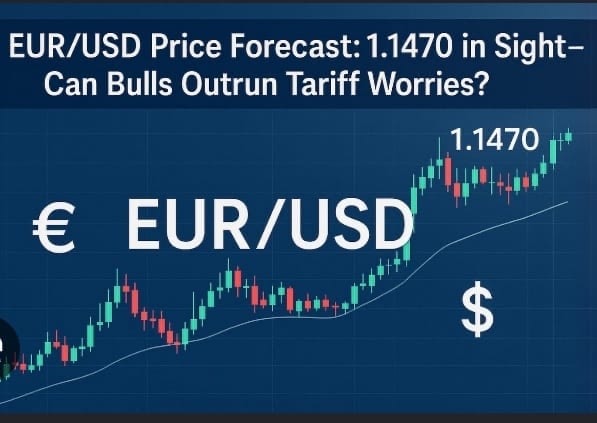
EUR/USD accounts for over $1.5 trillion in daily volume — more than any other currency pair. This concentration of liquidity creates the ideal conditions for disciplined proprietary trading: tight spreads, transparent price discovery, and deep market structure.
High Liquidity
Daily volumes exceed $1.5 trillion, minimising slippage and ensuring consistent execution quality across all market conditions.
Tight Spreads
Intense broker competition keeps transaction costs at their lowest, preserving the firm's edge on every trade.
Predictability
Price action is driven by transparent global economic data and central bank policy — factors that can be systematically analysed and anticipated.
Universal Support
EUR/USD is the standard offering across all major institutional platforms, ensuring seamless execution infrastructure.
One Pair. Two Lenses. Absolute Discipline.
Price Structure & Market Timing
We apply multi-timeframe technical analysis to identify high-probability entry and exit zones. Our methodology draws on price action, support and resistance levels, trend structure, and momentum indicators to determine optimal trade timing within the prevailing market structure.
Macroeconomic & Policy Drivers
EUR/USD is driven by the divergence between Eurozone and US monetary policy, economic data releases, and geopolitical developments. Our fundamental framework monitors these macro variables continuously, establishing a directional bias that informs every technical trade setup.

Three Execution Frameworks
Trend-Following
Trade in the direction of major trends set by ECB–Fed monetary policy divergence. Moving averages and MACD confirm trend strength and filter counter-trend noise.
Breakout Trading
Capitalise on decisive moves past defined support or resistance levels, typically triggered by high-impact events such as CPI inflation reports or central bank rate announcements.
Range Trading
Profit from price oscillation between established boundaries during periods of market consolidation, when no clear directional trend is present.
From Analysis to Execution
Macro Bias Formation
Establish directional bias based on ECB–Fed policy divergence, economic data trends, and prevailing risk sentiment.
Technical Setup Identification
Scan multi-timeframe charts for high-probability setups that align with the macro bias — entries only when both lenses agree.
Risk Parameters Defined
Before entry, define stop-loss level, position size, and target levels. Risk/reward must meet the firm's minimum threshold.
Execution & Monitoring
Position is executed and monitored against the original thesis. Hedges are applied if conditions deviate materially from the setup.
Review & Documentation
Every closed trade is logged and reviewed. Outcomes inform ongoing refinement of the analytical framework and risk parameters.
Structured Hedging Framework
Capital preservation is the foundation of our risk philosophy. Our hedging strategy is designed to limit directional exposure and protect the firm's capital base during periods of elevated volatility or adverse market conditions.
Stop Loss
Active Hedge
Core Hedging Methods
Direct Hedge
Open an equal and opposite EUR/USD position to lock in the current drawdown and halt further equity decline.
Correlated Pairs
Take an opposing position in a negatively correlated pair such as USD/CHF, or a co-moving pair like GBP/USD, to balance dollar exposure.
Options Protection
Buy a put option to protect a long EUR/USD position, or a call to protect a short — limiting downside risk for a fixed, known premium.
Key Risk Considerations
Holding simultaneous opposing positions increases overnight financing fees and transaction costs on both legs.
Positions are managed in compliance with broker policies on locking and hedging, ensuring no automatic netting of opposing positions.
Firm-level drawdown thresholds trigger automatic position-size reduction and a mandatory review of all open exposures.
The trading strategy described on this page reflects the proprietary methodology of Asquare Solutions Limited for its own account. This information is provided for transparency and institutional reference only. It does not constitute investment advice, a solicitation to invest, or a representation of future performance. Proprietary trading involves significant risk of loss.